If your child loves dance and you have started hearing other parents talk about DSA, you are probably wondering what it involves, when to start and whether dance training can really make a difference. The short answer is yes, it can, and the families who do best are usually the ones who start early and prepare for the audition itself rather than simply collecting certificates. This guide explains how Direct School Admission works for dance, what happens on audition day, and how we help young dancers at All That Jazz get ready for it.
What Is DSA-Sec?
Direct School Admission for secondary schools, known as DSA-Sec, lets Primary 6 students apply to a secondary school based on a particular talent before they sit the PSLE. Talent areas cover sports, academic subjects, leadership and the visual and performing arts, and dance falls within the performing arts. Many secondary schools offer dance as a DSA talent area, and each one decides which dance styles it is looking for. Some focus on Modern or Contemporary Dance, while others offer Chinese, Malay or Indian Dance, and a growing number recognise Street Dance.
For a child who has been dancing for years, DSA is a chance to be recognised for something they have worked hard at and to join a school where that passion will keep being developed.
How the DSA Process Works
The DSA-Sec exercise runs through most of the Primary 6 year. Using the 2026 cycle as a guide, the key stages looked like this:
- January to May: families explore schools, their talent areas and their audition requirements.
- May to early June: applications are submitted online through the MOE DSA-Sec portal (in 2026 the window ran from 6 May to 2 June).
- June to August: shortlisted students attend auditions and interviews at each school, and schools share outcomes by late August.
- October: students with a confirmed offer or a wait-list place submit up to three school preferences.
- November: school allocation results are released together with PSLE results.
Exact dates change each year, so always check the latest timeline on the MOE website before you plan.
There is no general requirement to hold a particular dance exam grade before applying. Examinations are valuable milestones and a great way to build technique, but each school sets its own selection criteria, and what really counts is how your child performs on the day.
What Happens at a Dance Audition?
Once the online application is submitted, shortlisted students are invited to an audition and interview, and this is where most of the preparation pays off. Every school runs its own process, but dance auditions may include some combination of the following:
- A prepared solo, usually one to two minutes long and often in any style the child chooses.
- An unseen combination, where the child learns a short piece of choreography on the spot and performs it straight away.
- Improvisation, where the child responds to music or a prompt with their own movement.
- An interview, where the child talks about their dance experience, what they enjoy and why they want to join the school programme.
This is where many well-trained dancers are caught off guard. Practising a set exam syllabus builds excellent technique, but it does not necessarily teach a child to pick up new choreography quickly, adapt to an unfamiliar style, or speak about dance with confidence. Those are skills that need to be trained on purpose, and they take time.
Why Ages 9 to 10 Are the Ideal Time to Start
Children apply for DSA at around age 12, in Primary 6. Dance is a physical art form, and strong technique, versatility, and audition confidence are built over years rather than months. Starting focused preparation at age 9 or 10 gives your child two to three years to build a solid technical base, try different styles, find the one that suits them best and get comfortable performing in front of a panel. It also means that by the time applications open, preparing for DSA feels like a natural next step rather than a rush.
How All That Jazz Prepares Dancers for DSA
Ballet and Jazz give dancers an excellent technical foundation, but many DSA applicants have similar training backgrounds, so children also need versatility, quick learning skills and something that helps them stand out. For dancers aged 9 to 12, our recommended DSA preparation programme combines:
- Ballet & Jazz: builds precise movement control, strength, stability, body awareness and coordination, the technical base every audition panel looks for.
- Accelerated Programme (AP) Ballet & Jazz: develops choreography pick-up speed, adaptability and confidence with unfamiliar combinations, which is exactly what the unseen section of an audition tests. *Pending acceptance at the discretion of our faculty.
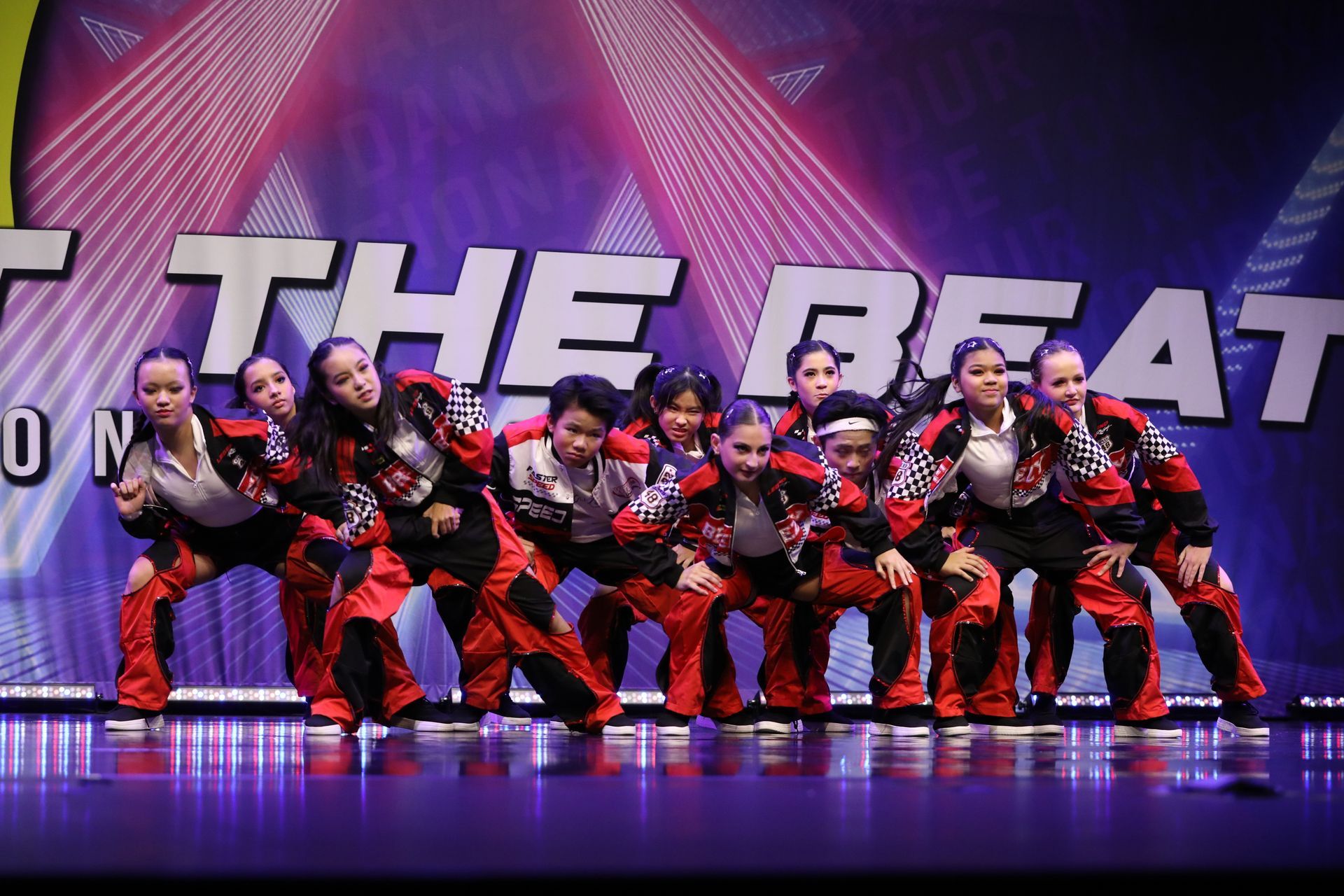
- Contemporary and/or Street Dance: expands movement vocabulary, versatility and improvisation skills, and can be matched to the audition style of your preferred school.
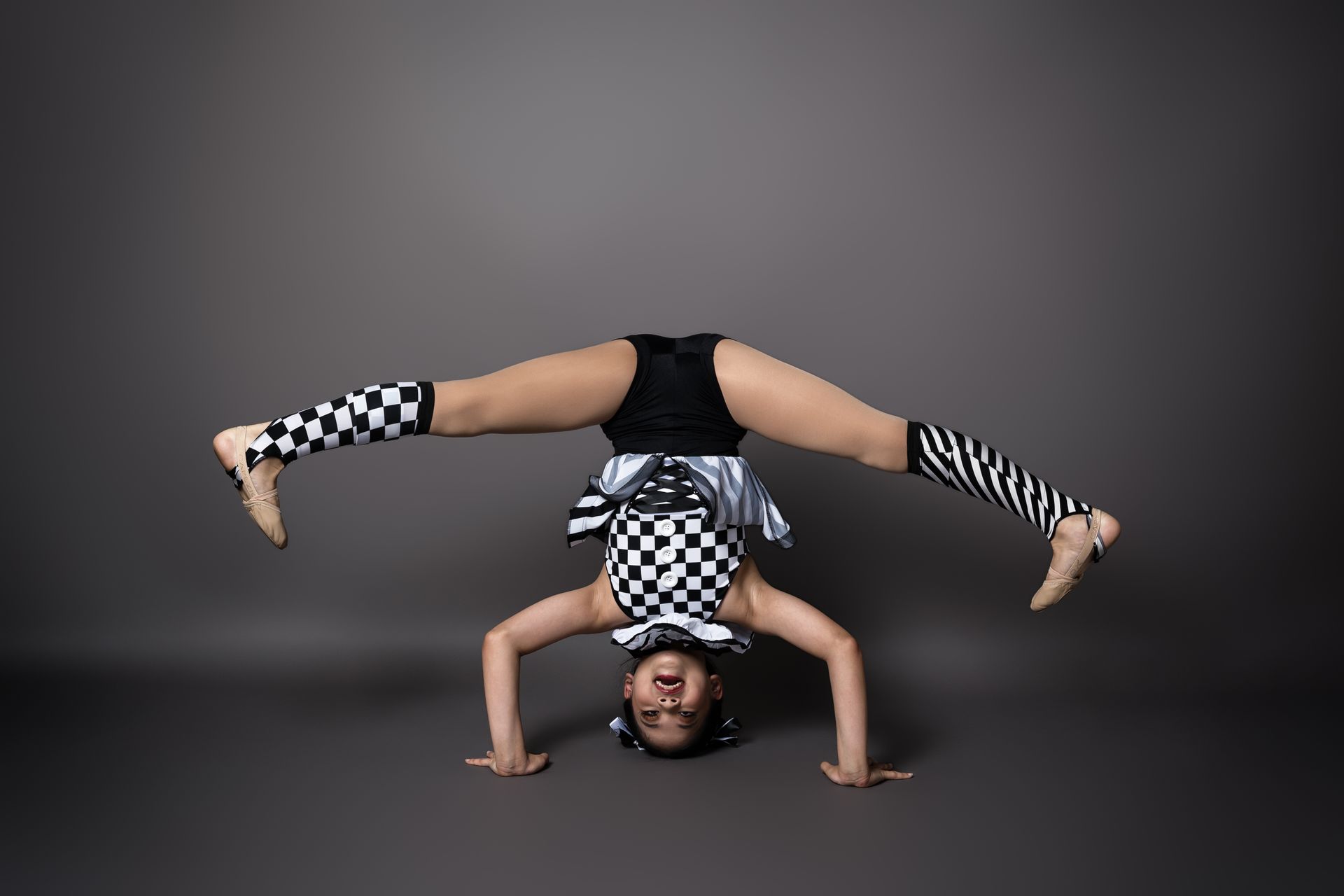
- Acro: highly encouraged, as strong acrobatic skills can help a dancer stand out in a prepared solo.
Our focus is on developing stronger, more versatile, and more confident dancers, not simply accumulating certificates. We believe that is the best preparation for DSA, and it is also the best preparation for
A Few Things to Know Before You Apply
DSA is a commitment, so it is worth going in with your eyes open. A few points that parents sometimes miss:
- Check each school's requirements. Talent areas, dance styles, and audition formats differ from school to school, so contact your preferred schools directly or attend their open houses to find out what they look for.
- PSLE still matters. A DSA offer only stands if your child's PSLE score qualifies for a Posting Group offered by that school, so choose schools that also suit your child academically.
- An allocation is binding. Once a child is allocated a school through DSA, they cannot take part in the S1 Posting exercise or transfer to another school after PSLE results are released.
- Your child should want it. Students admitted through DSA are expected to stay committed to the talent area throughout their programme, so it works best when the drive comes from them.
Frequently Asked Questions
Q: Does my child need a dance exam certificate to apply for DSA?
A: There is no general requirement to hold a particular exam grade to apply. Exams are a valuable way to build and recognise technique, but schools select mainly through the audition and interview. Some schools may ask about past training or achievements during selection, so it is worth checking each school's criteria.
Q: Which dance style should my child audition in?
A: It depends on the school. Many schools audition in Modern or Contemporary Dance, while others focus on cultural dance or Street Dance. Choose your preferred schools first, then we can help match your child's training to their audition style.
Q: Is it too late to start preparing at age 11?
A: Not at all. Starting at 9 or 10 gives more time to build technique and versatility, but focused training in the year or two before applying can still make a real difference, particularly in audition skills like learning choreography quickly and performing with confidence.
Q: Can All That Jazz guarantee a DSA place?
A: No dance school can. Every school runs its own selection and the decision is theirs. What we can do is make sure your child walks into the audition well prepared, technically strong and confident.
Let's Plan Your Child's DSA Journey
If your child enjoys dance and is considering DSA, we would love to help. WhatsApp us with your child's age, current training and the requirements of your intended secondary school, and our team will recommend a training plan that suits your child's goals and the audition style of their preferred schools. [Insert WhatsApp link]
You can find the latest DSA-Sec timeline and guidance on the MOE website at moe.gov.sg/secondary/dsa.
Class placement and AP entry are subject to readiness. School requirements vary, and enrolment does not guarantee a DSA offer.